Wispcraft

I have a wonderful proposition for you! These dice that I have here.
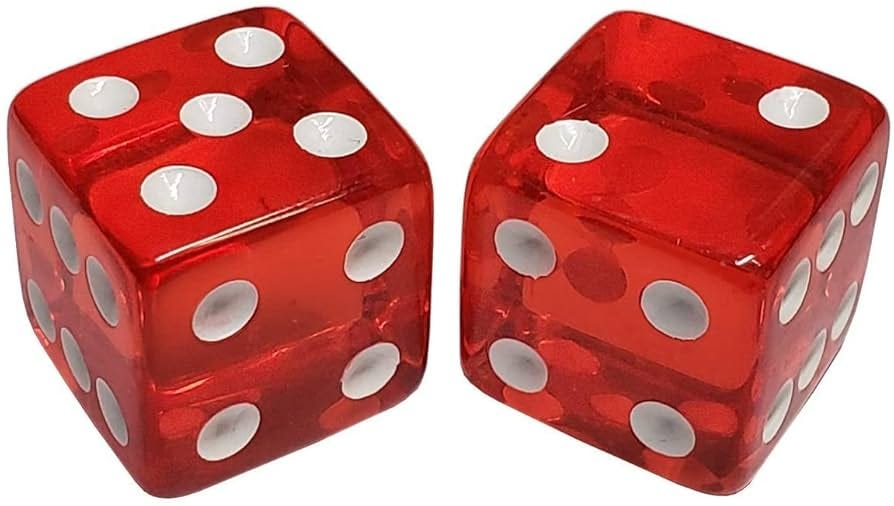
They look normal, but they’re slightly unfair. And they’re unfair in a clever, subtle way. If you roll them enough times, you’ll find that snake eyes — two ones — comes up 1 time in 35. All the rest seems almost normal, just a hair less probable. But snake eyes: it comes up slightly too often.
Now, I can smuggle these dice into the casino where they work, and make sure they end up at the same craps table as you. And if we put our chips on snake eyes, we’ll be raking in the expected dollars. No guarantees, of course, but bring your bankroll, and we’ll get away laughing.
… Ah man! Good work at the table, but we didn’t get any snake eyes. That’s the way it runs sometimes. I mean, we only have a 1 extra hit in 1260 rolls here. The EV stays positive, even if we’ve had a losing streak.
… Sorry you’re so down, bro. Ah, you borrowed some money? I mean, it was positive EV, but I’m not sure I’d have done that. Anyway, I’ll buy you lunch.
VCs lionise plans with a lot of upside potential
A lifetime of taking bets that have a small probability of a huge upside might lead to way more meaningful change than a lifetime of taking sure things. But, if you’re open to being pitched on things that are unlikely to work, it makes you pretty attractive to will-o-wisps, who can lead you down damned paths, where there’s not really any value to be scrounged.
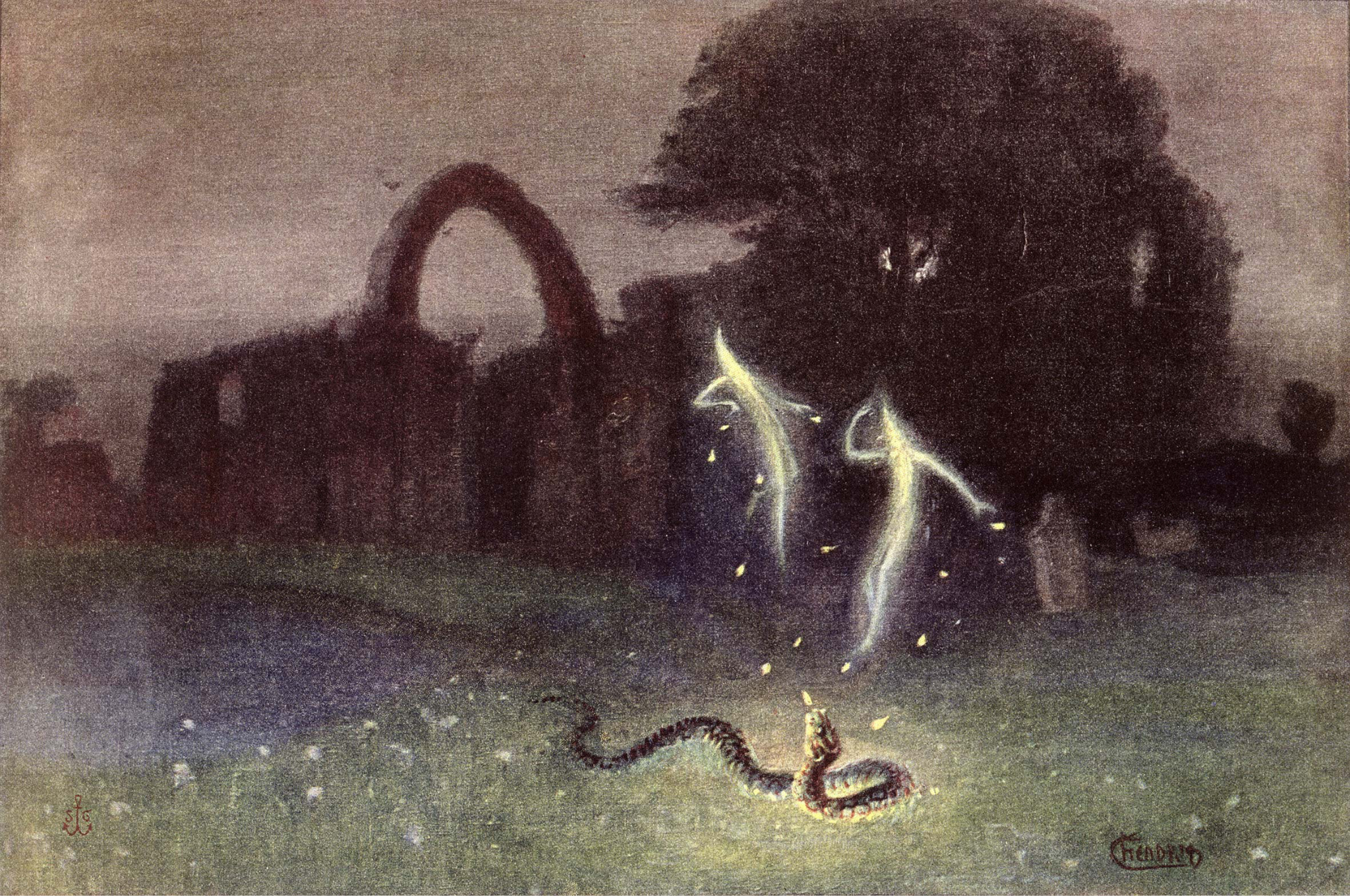
Ah, you’re willing to take the long shot? Very wise, my dear, very wise. There are few with the clarity of foresight that you have to do so. And I have just the longshot for you. No guaranteed payoffs, of course! That would be a scammy get-rich-quick scheme, or worse, a dull grind. But for a thoughtful creature like you, I have just the thing.
It will take a while to pay off, so you must stay the course. Some become worried or dejected along the course. But if you stick it out, then the rewards can be great. It is not guaranteed to work at any particular point, so you must keep trying. Or I may come up with another path for us to try and take. And many of the benefits will not even fall to us, for we are noble of mind and heart, and we give to others who we will never see.
Being open to taking longshots, being open to plans that take a long time to pay off and being open to distant or diffuse benefits you can’t observe, are all things that make you vulnerable to will-o-the-wisps.
Also, these could be valuable plans! If you can help a lot of people a little, that can be a huge deal, and may be the main kind of leverage available to you. Not all plans pay off quickly, and many positive EV gambles are not that likely to pan out.
I want to avoid being led astray by wisps. And I also want to be able to think and plan, and not just do what I can already see working. I’m not sure how to sail between this Scylla and Charybdis. Here are some options:
Just cut off the risk of following wisps. Avoid plans with uncertain, diffuse, distant, delayed benefits
Find contexts where it’s safe to do those plans because there aren’t any will-o-wisps around. But this can be tricky, because wisps are not always malefactors. I think wispiness can creep in among friends, when a plan doesn’t really make sense but offers something everyone wants.
Refactor plans so that they express some of their value in certain, observable, immediate benefits. That value should be at least enough to pay back the effort they’ve demanded, even if most of the hoped for value is in the future.
I think (3) is more doable than my intuitions credit. I don’t know of any simple argument for why this must be so. The best I have: there are a lot of degrees of freedom to acting in the real world; plans are rarely constrained enough that there’s only one path forward.
Here’s an example of refactoring a plan. Sometimes, I get invited to parties. And some of my best experiences have been at parties. But generally, I don’t like them. I often have a bit of a back-and-forth. I tell myself: parties are good for seeing your friends, for meeting new & interesting people, for laughing and making jokes, for dancing. I respond: they’re often a horrid wall of pain and boredom.
But I don’t just need to eat my party vegetables. I don’t know what specific things I like at parties, or what specific moods I have to be in for them to go well, but I expect there are some regularities there. It’s a false dichotomy to suppose my options are either to stay home or follow a wisp to the party and hope for a good experience. There is value in events, and I could try and structure things so I get that more explicitly. I could think about whether I’ll get what I want at a given party, and then try and pursue it. Or I could run my own events, that will structurally provide the things I’m looking for.
Here’s another example: sometimes I think we should impose a 100% land value tax. Yes, it’d be a shame that it’d destroy the value of many people’s retirement assets. But c’mon! Don’t they know that we have to do this in the name of resource efficiency? Or, maybe we could figure out some other way around this situation. Maybe the land value tax could go up slowly, so people have time to react, and the NPV isn’t destroyed in a single blow. Maybe the land value and the property value could become unbundled, so fewer people are holding their retirement in land. Rather than demanding we all walk through the desert to the promised land, I could try and bring pieces of the value earlier, or even just shorten the desert.
I don’t know that it’s always possible to do this. But I think there are biases against doing it. Some of these might be structural to cognition: fear of weighing down a plan with too many constraints, or a belief that sacrificing certainty might be magic enough to achieve ambitions. Some might be unhelpful memes: the wisps like it when people are prone to follow their lights. For now, I intend to try and tread on surer ground, and see how far I can get.